

Side-hustle explorers
Their taskRun a content account after work and test a niche.
Value to demonstrateLower the barrier to getting started and producing content.
We mapped the work people wanted to do, then explored talking heads, everyday scenes and product demos. Each format gave creators another way to make the platform's value visible.
Watch the workHistorical real-creator UGC project figures reported by MuseOn. These totals describe the project, not just the videos selected here. They are not AI-account results or a future performance guarantee.
The source does not specify the reporting period, measurement date, platform split, paid/organic mix or counting and deduplication method. Views are not unique reach or attributable sales.
Read the original case materialFor an AI video platform, the story is bigger than making a video. It is what a creator, seller or social media manager wants that video to help them do.
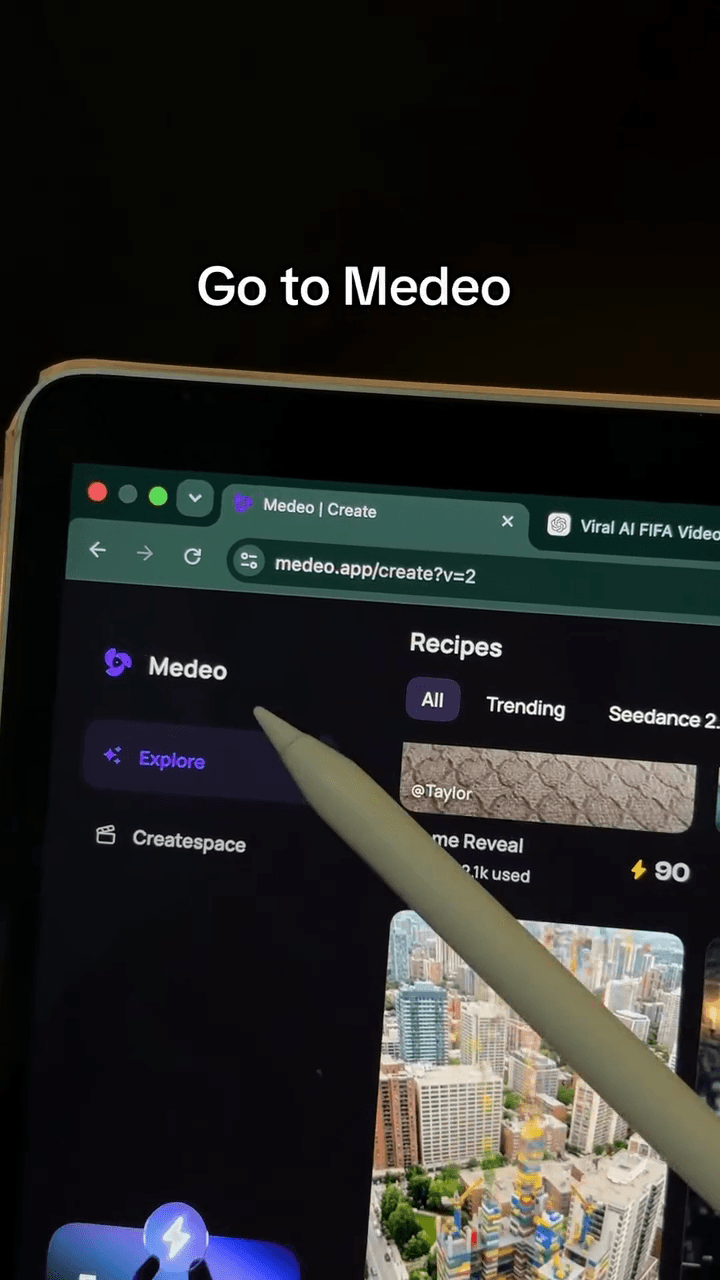
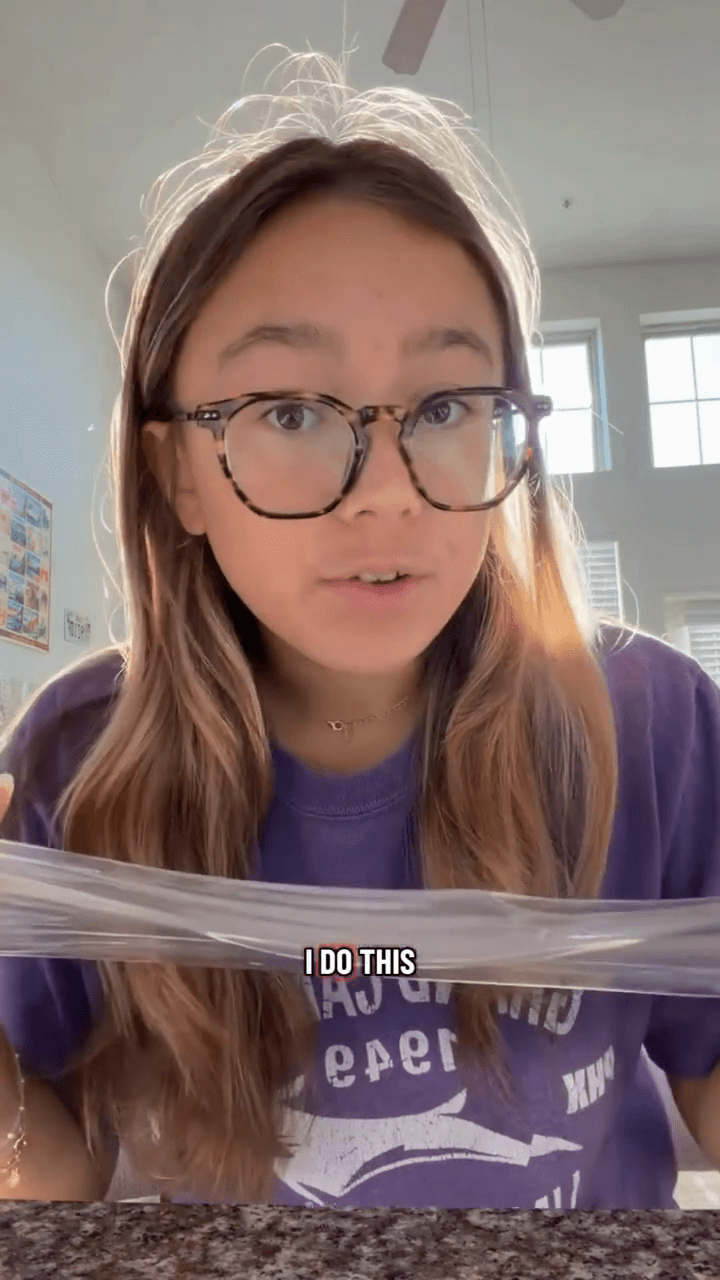
The program organized audiences by their work objectives, then explored how to express the product’s value. The source explicitly extends beyond money-making themes: starting a content account, publishing without filming, testing creative variations and sustaining client or product content.
Explore five original creator videos. See how explanation, setting and product demonstrations introduce the same platform in different ways.
View selected videoArchived creator videos contain promotional and income-related statements, including earnings screenshots. These statements are creative content, not verified creator earnings, client revenue or promises by MuseOn. Originals retain their language, captions and third-party imagery. Five approaches do not mean five distinct creators.
These were the proposal’s initial audience and value hypotheses. They describe what the creative aimed to communicate, not measured productivity or income gains.
Their taskRun a content account after work and test a niche.
Value to demonstrateLower the barrier to getting started and producing content.
Their taskPublish without appearing on camera.
Value to demonstrateReduce dependence on filming a person for every video.
Their taskTest different benefits and opening hooks.
Value to demonstrateCreate several versions of the same product story.
Their taskPublish product videos consistently across platforms.
Value to demonstrateMaintain a supply of product-focused content.
Their taskDeliver content for multiple clients.
Value to demonstrateShow a way to produce more content within the working day.
The proposal uses these five approaches to make value understandable. They are creative roles, not a performance leaderboard or proof of five different creators.
Use a person’s explanation to introduce the product and establish context.
Talking headPut the product demonstration on a phone, close to how people watch.
Mobile demoConnect the product to a recognizable everyday setting.
Relatable sceneLet the interface and sequence of actions carry the explanation.
Screen recordingUse a prompt and generated result to demonstrate a trend-led idea.
Prompt demoThree stages connect initial creative exploration with the next round of production.
Explore audience contexts, everyday settings and different ways to express the product’s value.
Use publishing signals to identify useful creative structures and promising creators.
Adjust the hook, demonstration and language for the next set of creative work.
Connect the audience, the work they want to do and a format that makes the product’s role visible. That gives creative planning a practical foundation beyond another list of features.
Explore the original proposal for the complete case material, video references and service context. These selected works illustrate creative approaches, not a controlled comparison of performance.
Give your UGC pilot a clear audience, a real product demonstration and a question worth testing. We’ll build and run the program with you.